Arvent GlassSustainability Report 2025
A clear glass on a pale shelf, a beam of light falling across it.

Arvent Glass Sustainability Report 2025

Made to be made again

How a glassmaker melts with less, keeps its people safe and stays clear with its customers.

Bottles, jars and flat glass from three plants in Bursa, Kocaeli and Manisa: 412,000 tonnes in 2025.

In this issue

  1. LetterEvery melt uses less energy than the lastA letter from Selin Arıkan, CEO
  2. FiguresThe year in figuresFourteen key figures, filterable by topic
  3. Ch. 1Melt with lessClimate, energy and water
  4. Ch. 2Safe handsHealth, safety and our people
  5. Ch. 3Clear all the waySuppliers, customers and product
  6. QuizThree questions on glassTest what you have read
  7. DataTargets and progressNine commitments from 2026 to 2050
  8. DataWhat matters mostDouble materiality matrix
  9. DataDownload centreFull report, indexes and data files

Founded in 1979, Arvent Glass makes bottles, jars and flat glass for food, beverage and construction customers.

Three plants in Bursa, Kocaeli and Manisa melt sand, soda ash, limestone and recycled glass into 412,000 tonnes of glass a year.

Reading for something specific? Pick a reading path and we will mark the sections that matter to you.

“Glass can be melted and made again forever without losing quality.

Our job is to make sure it is, and that every melt uses less energy than the last.”

Selin Arıkan, Chief Executive Officer

A letter from our CEO

2025 was the year our first hybrid furnace in Manisa ran for a full twelve months. It melts with electricity for 60 percent of its energy and cut that line’s emissions by a third.

We now put 38 tonnes of recycled glass into every 100 tonnes we melt. Each tonne of cullet saves raw materials and around 300 kWh of energy, so this is where climate work and cost work meet.

Our lost-time injury rate fell to 0.82, but one injury is still too many. Safety stays the first item on every plant meeting agenda.

Selin ArıkanChief Executive Officer, Arvent Glass
The year in figures

Fourteen numbers that sum up 2025, each compared with 2024 where we have a prior year.

    Close-up of a solar panel surface in soft grey light.

    Chapter 1Climate, energy and water

    Melt with less

    Melting glass takes heat of around 1,500 °C, and that heat is most of our footprint. We cut it three ways: more recycled glass in the melt, electric and hybrid furnaces, and heat recovered from the furnace exhaust.

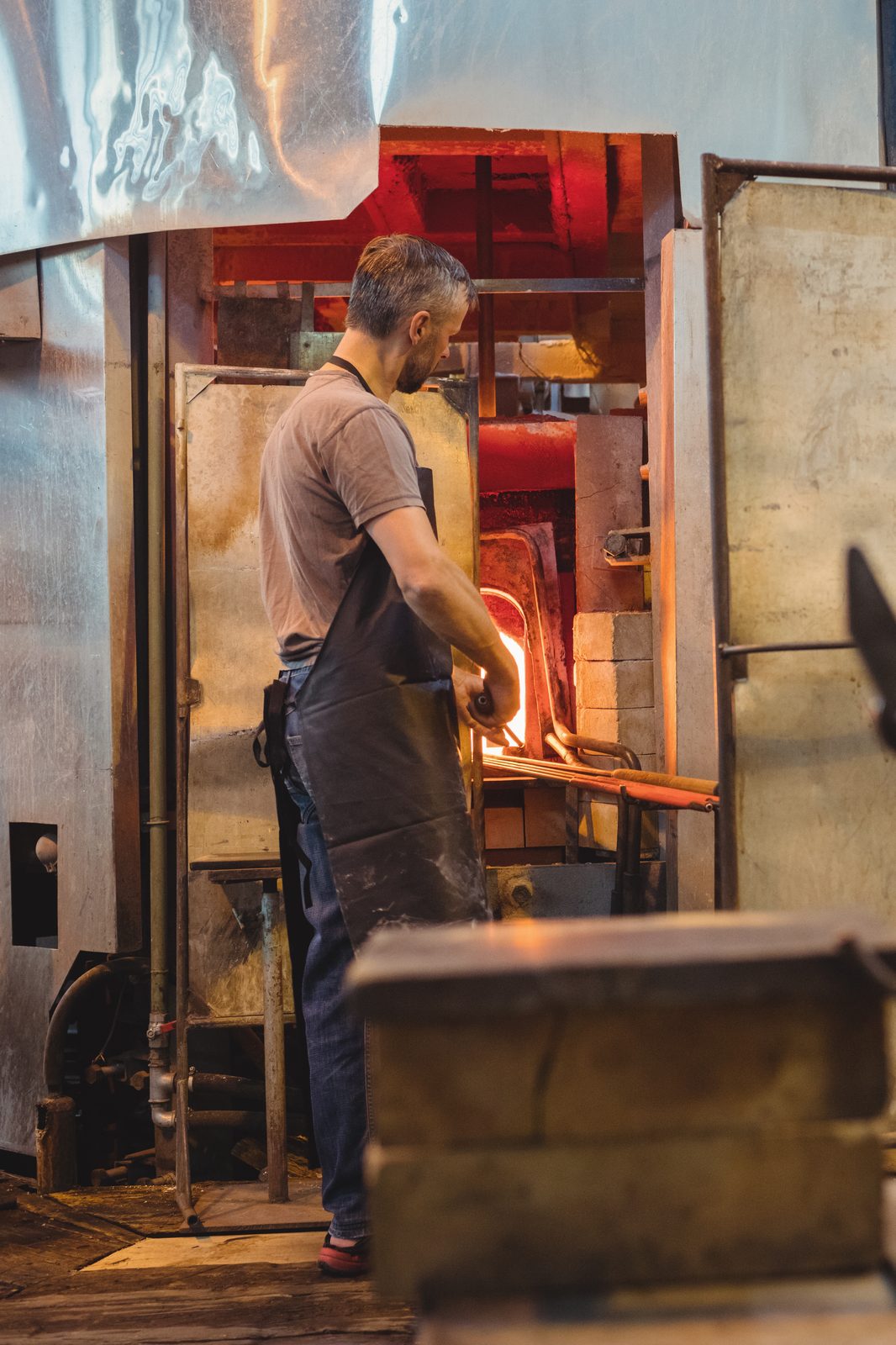
    A glassmaker at an open furnace, heating glass on a blowpipe.

    The hybrid furnace

    Manisa’s Line 3 now melts with electricity for 60 percent of its energy. After a full year of operation its emissions are 34 percent lower than the gas furnace it replaced.

    Scope 1 and 2 emissions2025
    298,000t CO2e

    After a full year of operation its emissions are 34 percent lower than the gas furnace it replaced.

    On Line 3, Manisa
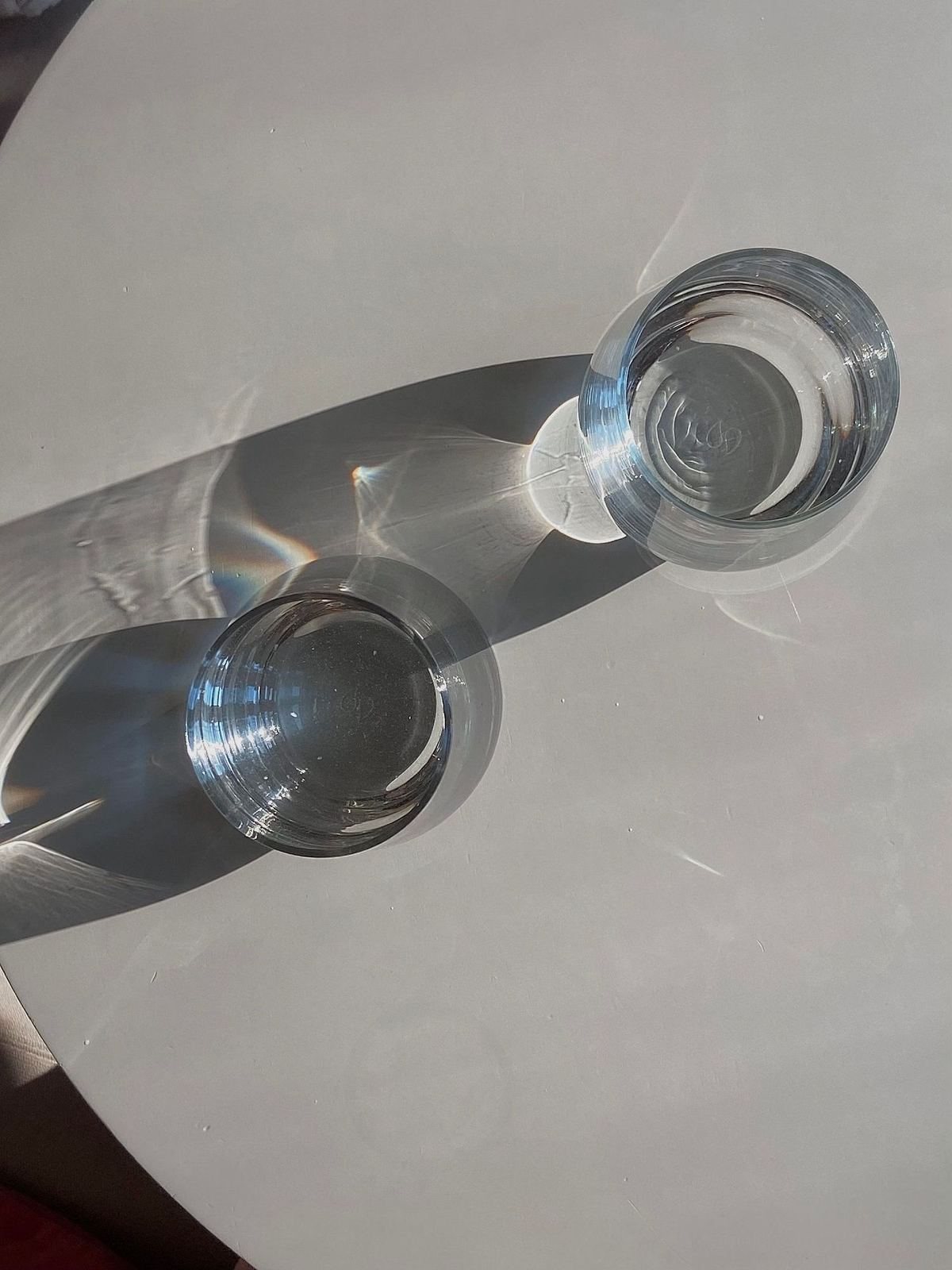
    Two clear glasses seen from above, light bending through them.

    Every bottle back

    Together with three municipalities we collect glass from 1,900 recycling points. Collected glass is sorted by colour at our Kocaeli plant and goes straight back into the melt.

    Recycled glass (cullet) in the melt2025
    38%
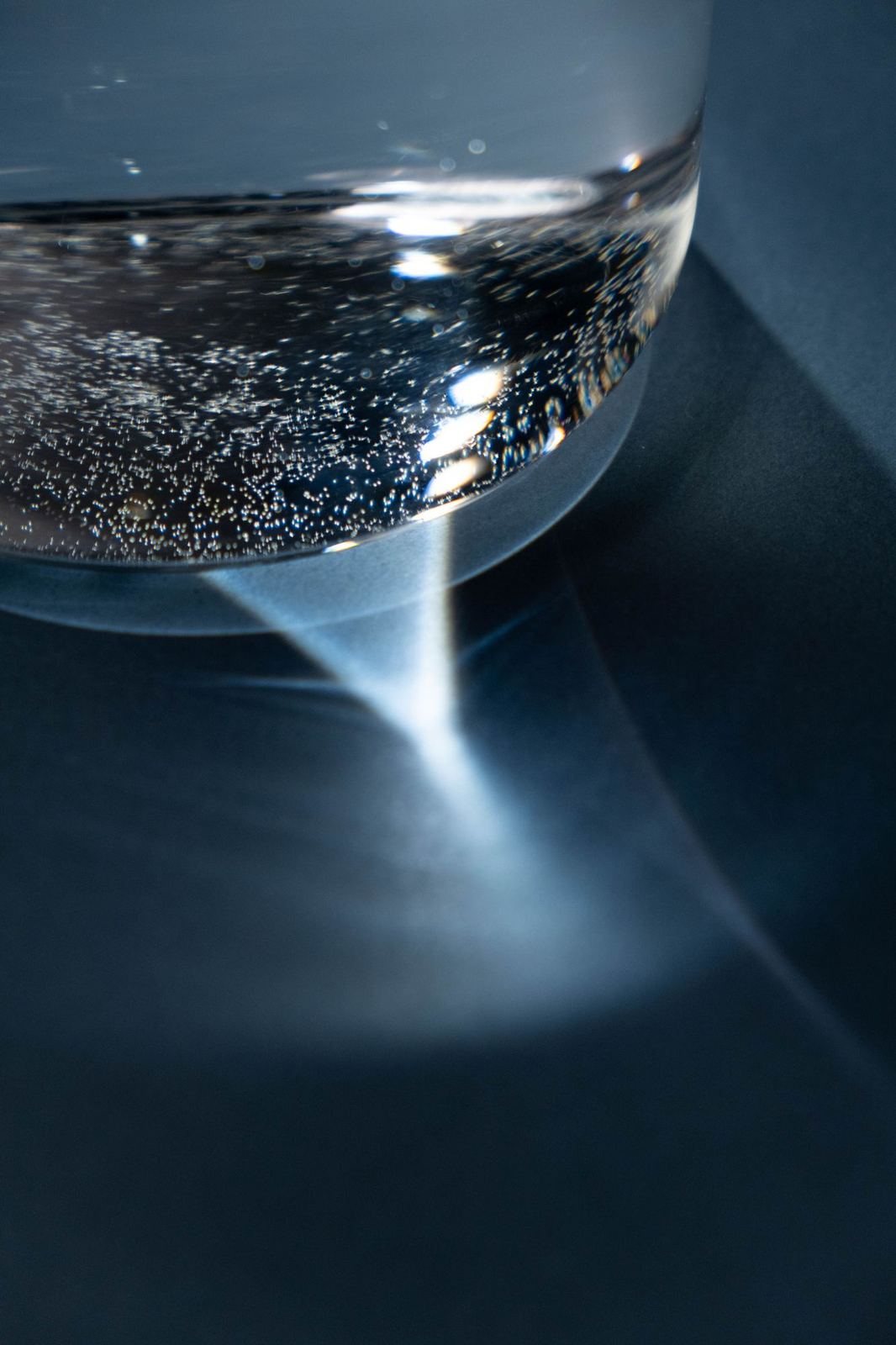
    A beam of light passing through a glass bowl on a dark surface.

    Heat that used to leave by the chimney

    Waste-heat boilers on two furnaces now preheat the raw materials. Together they save about 41 GWh of natural gas a year.

    Energy used2025
    662GWh
      A wave breaking into white foam on deep blue water.

      Water in a loop

      Cooling water is treated and reused on site. In 2025, 41 percent of the water we used had been used before.

      Water withdrawn2025
      1.02million m³
      A trainee shaping a small glass flower at the bench.

      Chapter 2Health, safety and our people

      Safe hands

      Glass plants run hot, heavy and around the clock. 2,140 people keep them running, and our first commitment to them is that everyone goes home safe.

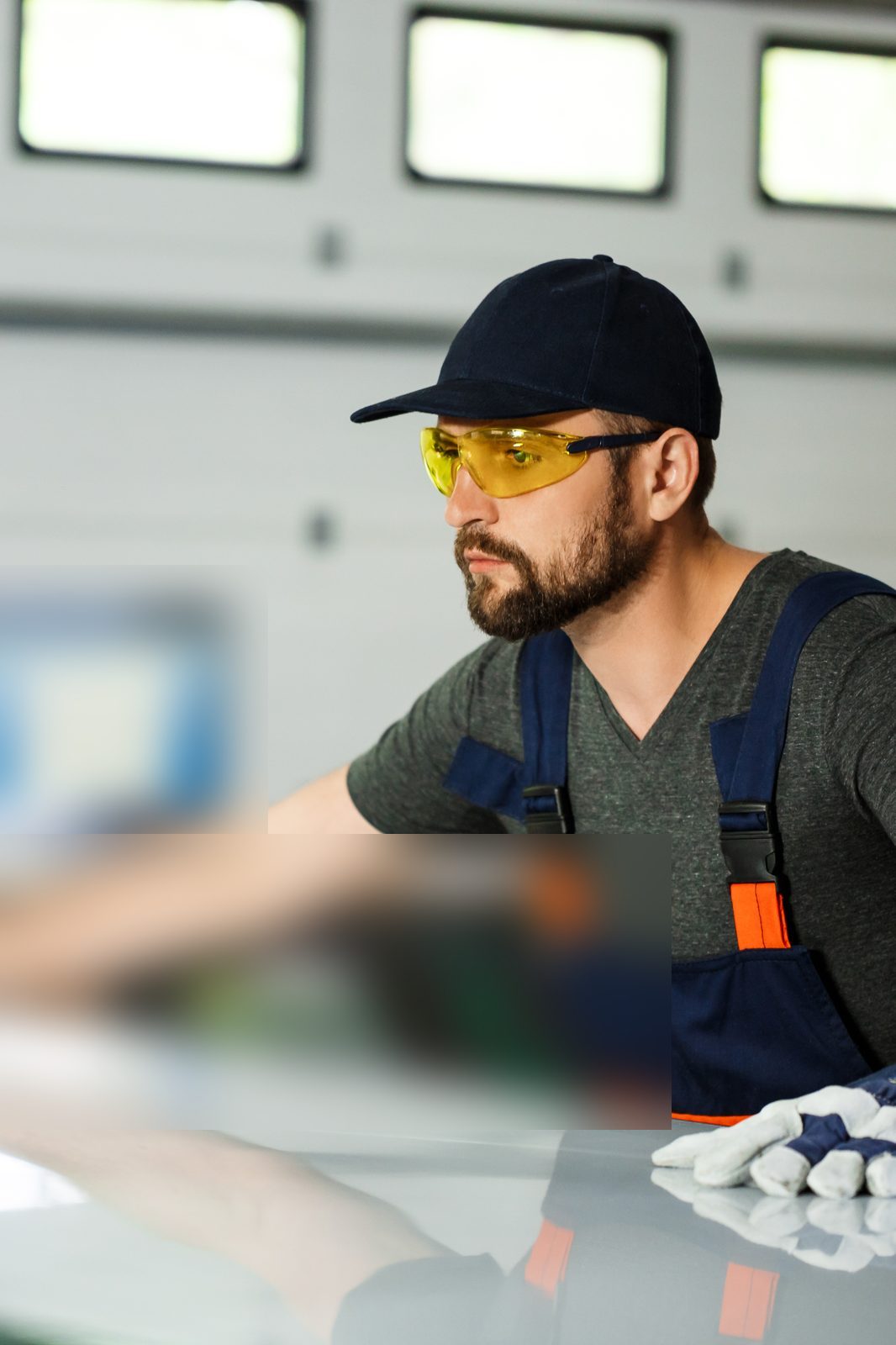
      A worker in safety glasses and gloves checking a glass sheet.

      Safety walks, every shift

      Supervisors walk the line with an operator at the start of every shift. In 2025 these walks raised 3,200 observations, and 94 percent were closed within a week.

      Lost-time injury frequency rate2025
      0.82per million hours

      Our lost-time injury rate fell to 0.82, but one injury is still too many.

      Selin Arıkan, CEO
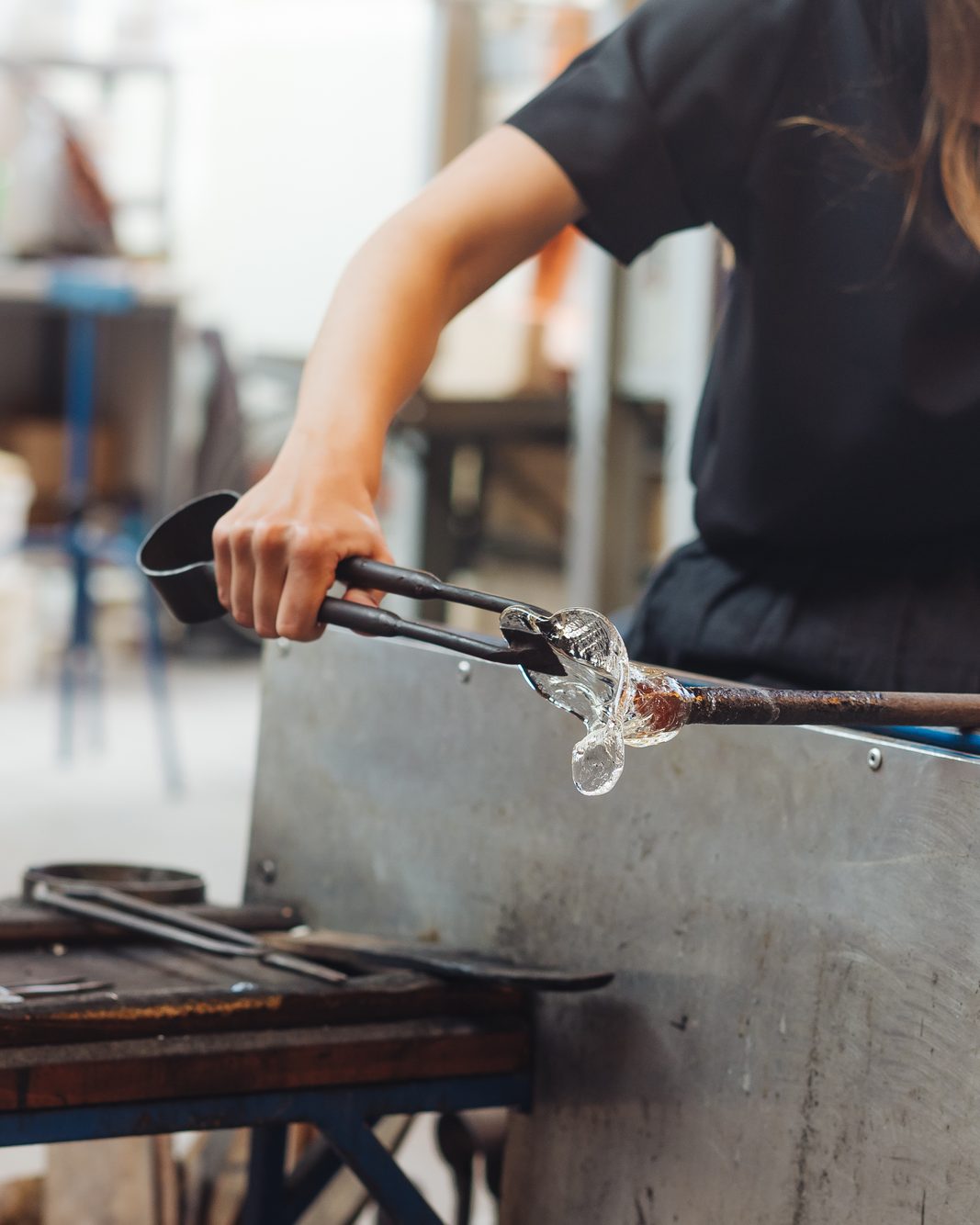
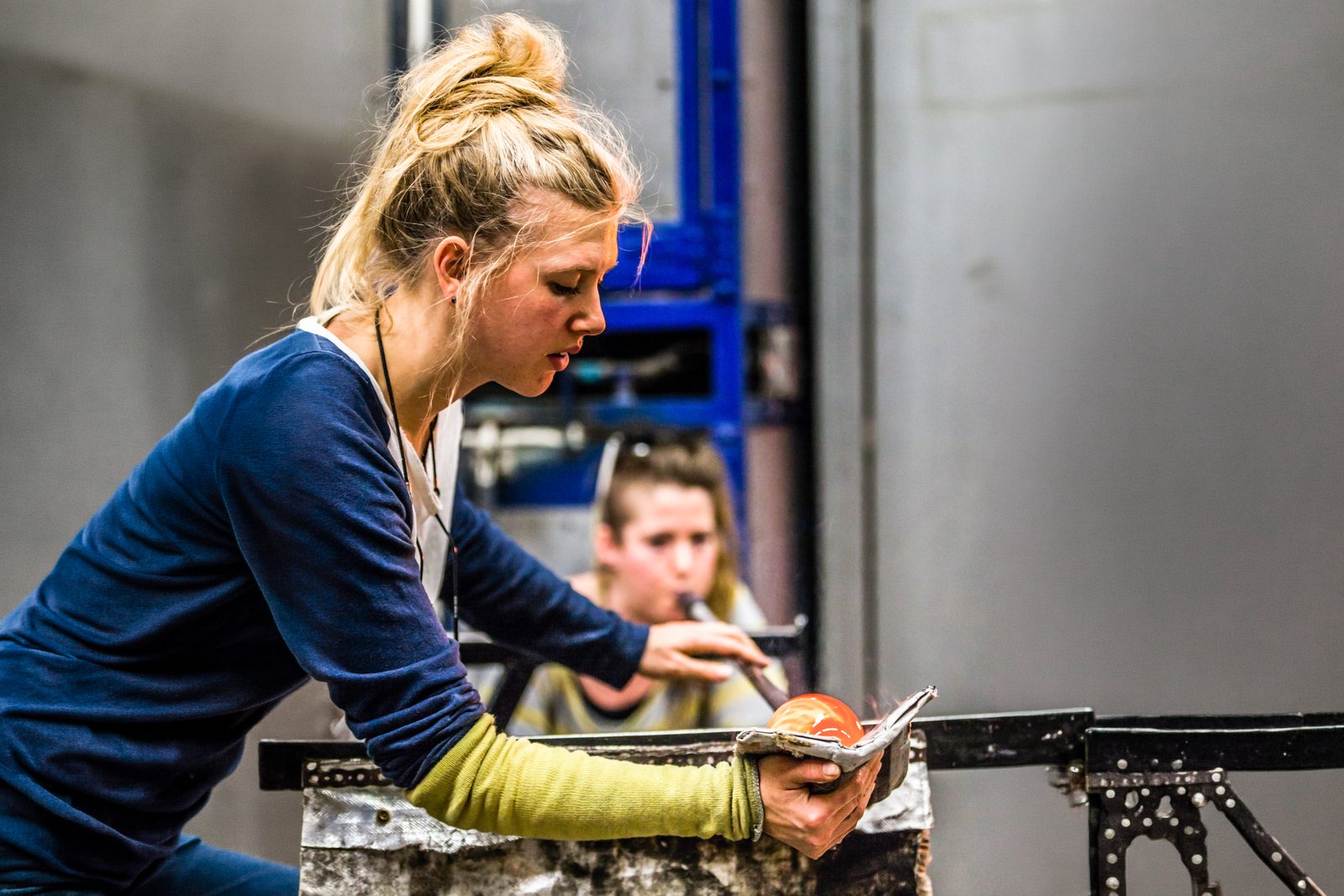
      Two women shaping molten glass on a blowpipe.

      More women in the plant

      Women now hold 24 percent of management roles, up from 21 percent. Our goal is 35 percent by 2030, including in production management.

      Women in management2025
      24%
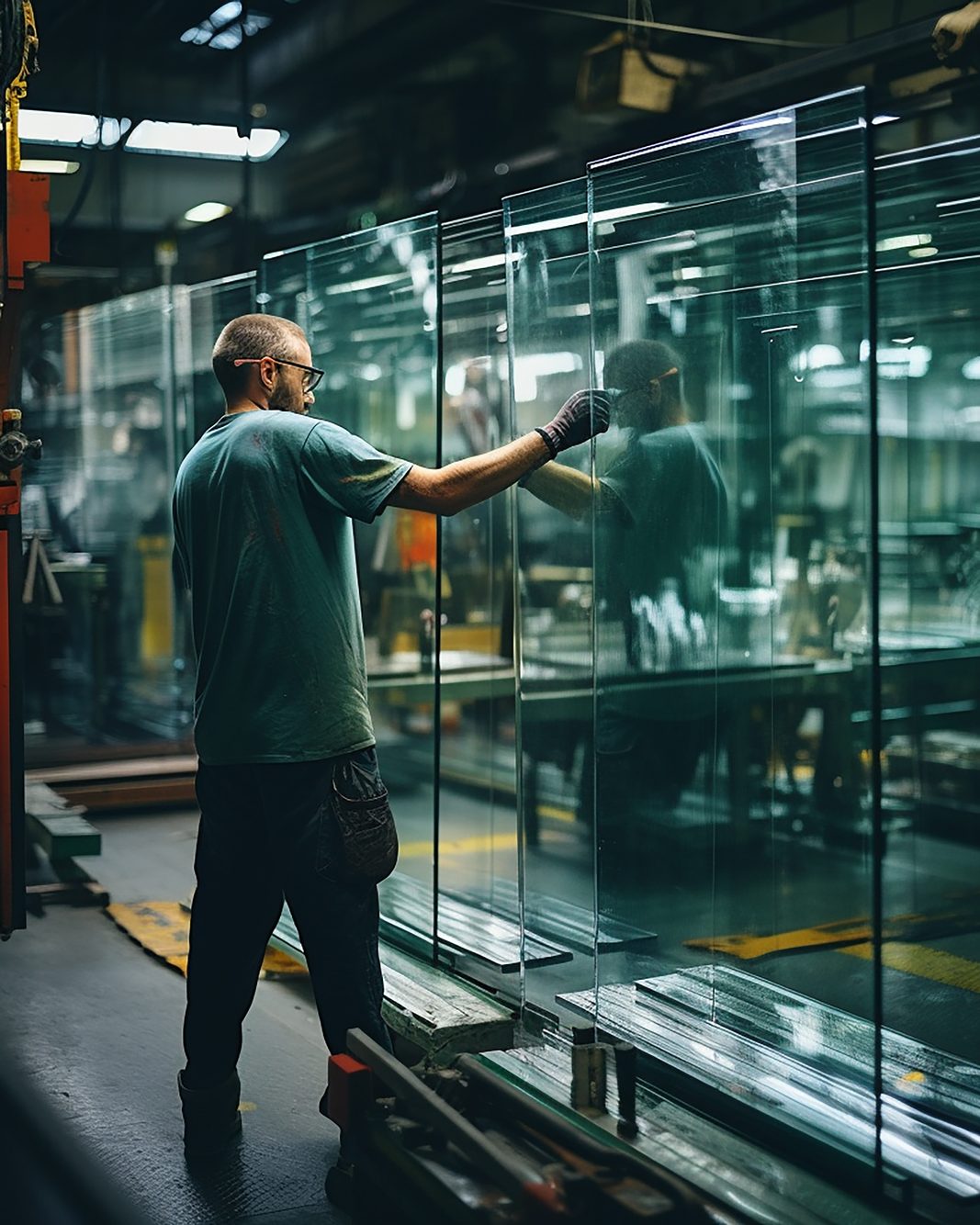
      A worker in safety glasses and gloves checking a glass sheet.

      The furnace academy

      New operators train for twelve weeks on a furnace simulator before they work the hot end. Training rose to 31 hours per employee.

      Training per employee2025
      31hours
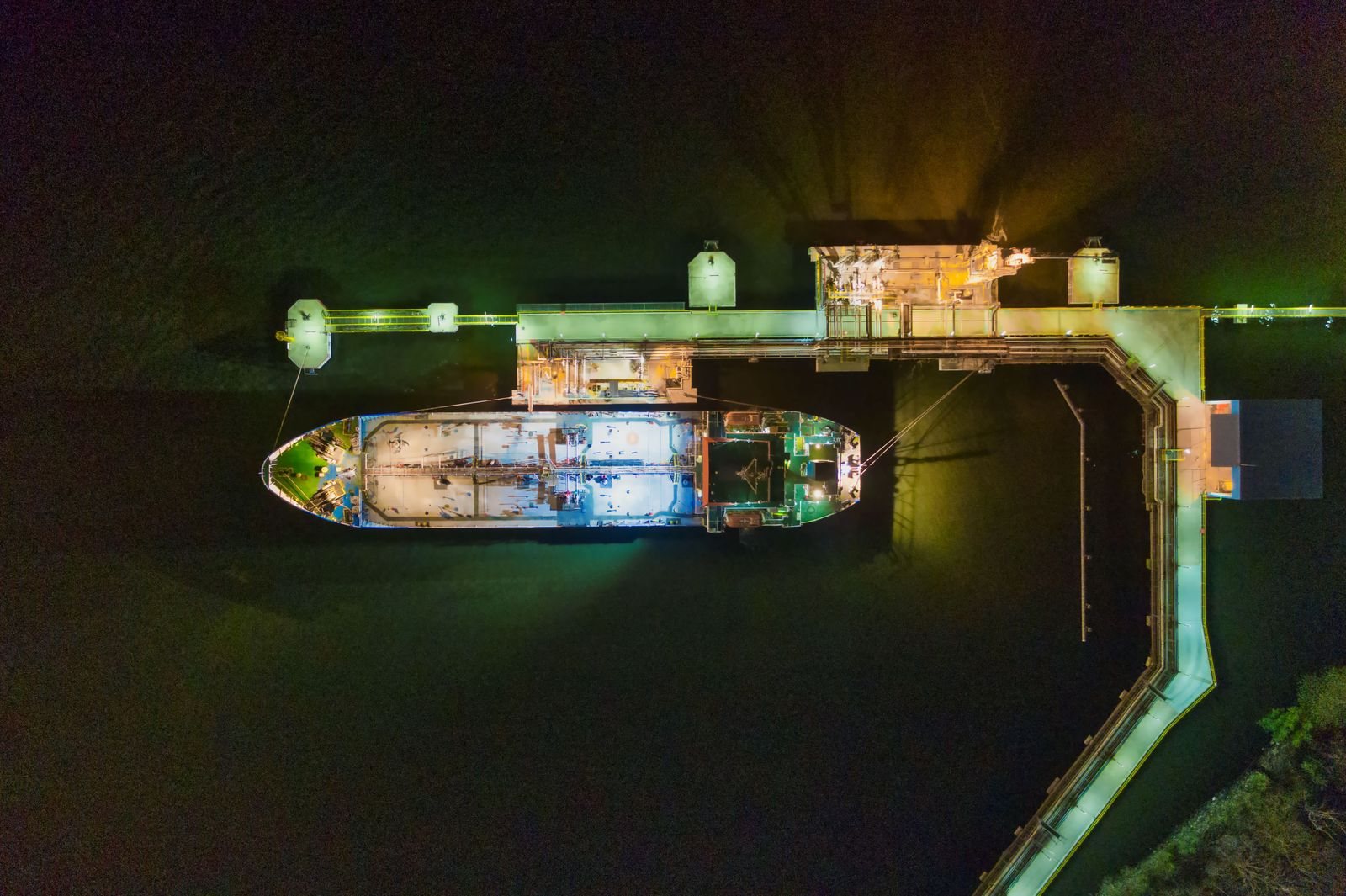
      A ship moored at a lit industrial pier at night, seen from above.

      Chapter 3Suppliers, customers and product

      Clear all the way

      Our customers’ climate targets include the glass they buy from us. We give them product carbon data per order and ask the same transparency of our suppliers.

      A clear glass and a curved glass pane on a pale shelf.

      A carbon number on every order

      Since July 2025 every invoice shows the product carbon footprint of the glass delivered, verified to ISO 14067.

      Spend with local suppliers2025
      71%
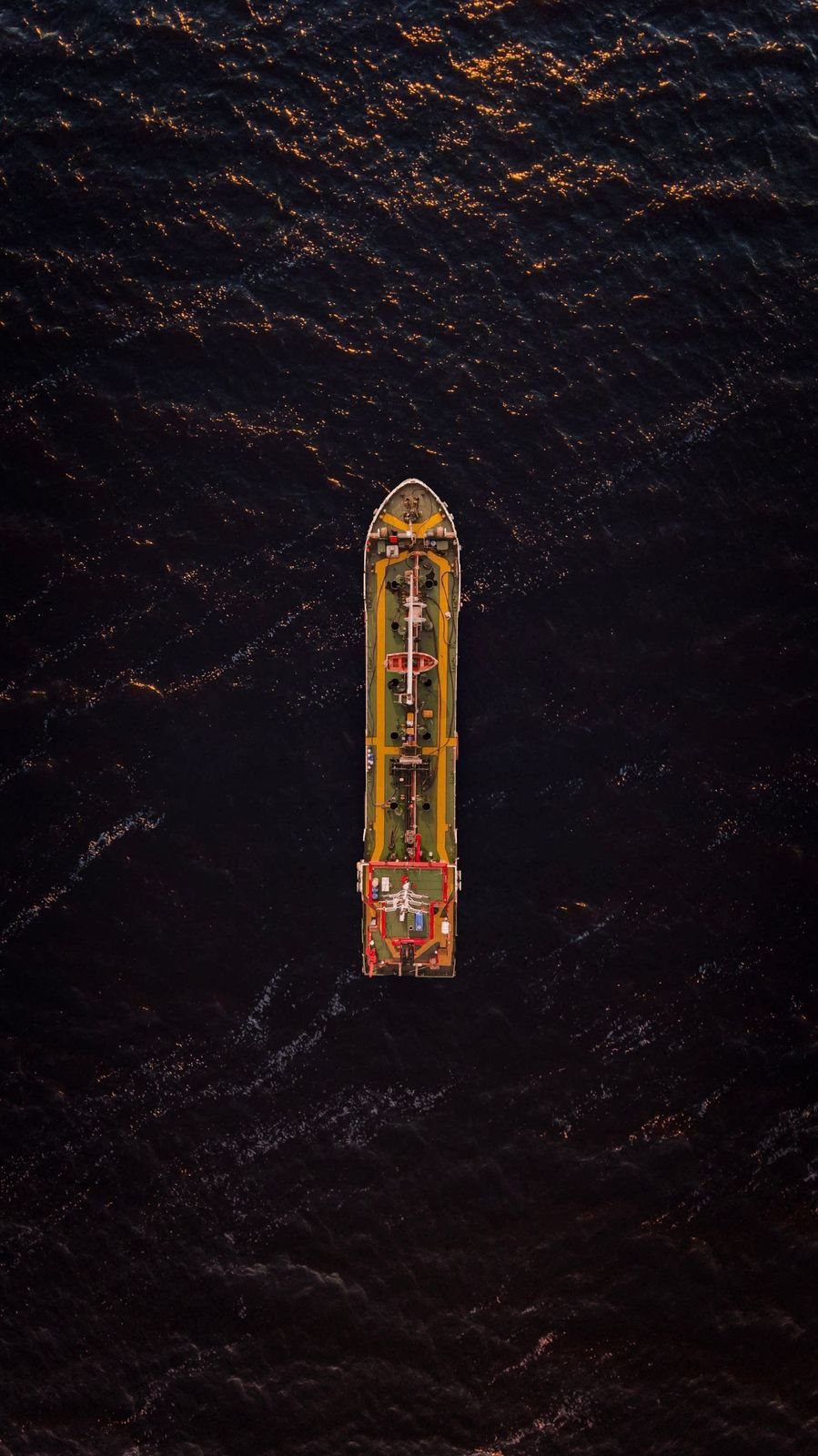
      A cargo ship on dark open water, seen from above.

      Audited at the source

      We carried out 146 sustainability audits at suppliers of sand, soda ash and packaging. Four suppliers are working through corrective action plans.

      Supplier sustainability audits2025
      146audits

      A redesigned 330 ml beer bottle weighs 18 percent less with the same strength.

      On lighter bottles
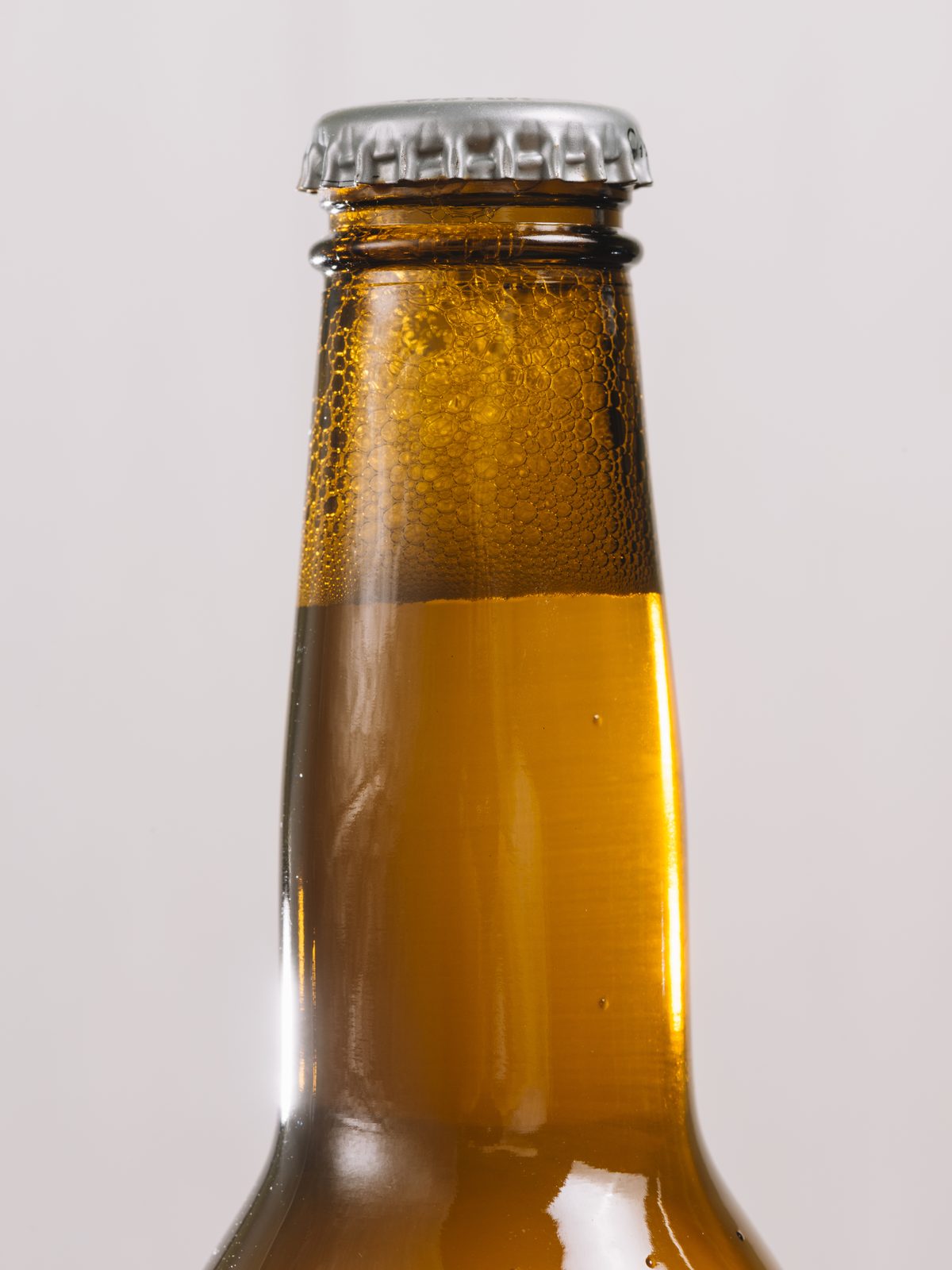
      Close-up of the neck of an amber glass bottle.

      Lighter bottles

      A redesigned 330 ml beer bottle weighs 18 percent less with the same strength, saving 6,800 tonnes of glass a year across our customers’ lines.

      Glass saved across customers’ linesper year
      6,800tonnes

      Three questions on glass

      Everything you need is in the stories above. No score is saved.

      Performance data

      The numbers behind the stories. Every chart can be read as a table. Figures cover all three plants.

      Targets and progress

      What we have committed to, and whether we are on course.

        What matters most

        Ten topics scored for their impact on people and the planet, and for their financial effect on Arvent Glass. Hover, tap or tab through the points.

          Download centre

          The full report and supporting documents. Prepared with reference to:

              Arvent Glass is a fictional company. All figures are illustrative demo data.

              Try one of these: